Free Amsterdam Maps & Apps

maps & guides for free download and print

Adem_tepe_de_here_official_music

Lyrically, "De Here" operates on multiple levels. On the surface, it is a call to a loved one, a plea for presence or a lament over absence. However, within the context of Kurdish art, such lyrics often carry a dual meaning, reflecting a deeper yearning for home, peace, or the preservation of a heritage that has faced historical suppression. The repetitive, rhythmic nature of the chorus acts as a grounding force, inviting the listener into a meditative state that transcends language barriers.

The musical structure of "De Here" is characterized by its evocative use of acoustic instrumentation, often featuring the haunting melodies of the tembûr or bağlama paired with subtle percussion. This arrangement creates an intimate atmosphere that allows Tepe’s voice—rich with "hewar" (a traditional Kurdish vocal cry of lament)—to take center stage. His performance is not merely technical; it is an exercise in vulnerability, capturing the specific type of melancholy often found in Kurdish "stran" (songs) that deal with separation and unrequited love. adem_tepe_de_here_official_music

Ultimately, the official music video and the widespread reception of the track highlight Adem Tepe’s role as a cultural ambassador. By maintaining high production values while staying true to the melodic DNA of his roots, he ensures that Kurdish music remains vibrant and relevant for a global audience. "De Here" is more than just a song; it is a sonic bridge that connects the listener to the enduring spirit and emotional depth of the Kurdish people. Lyrically, "De Here" operates on multiple levels

amsterdam maps & guides

Amsterdam city map

ov

Amsterdam's central district and surrounding, including cheap accommodation, concert venues and hot spots.

  adem_tepe_de_here_official_music  4,531 kB
curated restaurant recommendations

Unbookables

We seek, you dine

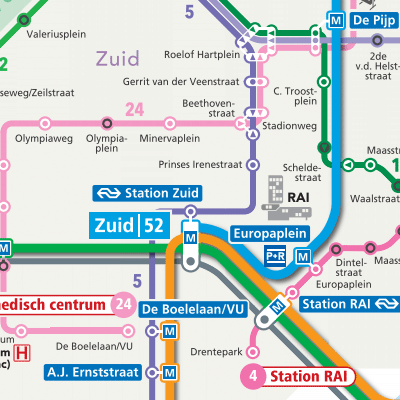
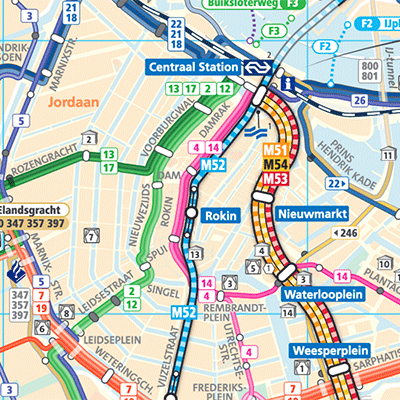
Rail map   tram / train / metro

ov
  adem_tepe_de_here_official_music  1,990 kB

Public transport network map   all routes

ov

Large overview map with all metro, tram, bus, and ferry lines in Amsterdam

  adem_tepe_de_here_official_music  9.8 MB

The 9 Streets Shopping Guide

ov

Shopping guide to Amsterdam's most interesting shops in the Nine Streets and Jordaan area.

  adem_tepe_de_here_official_music  2.7 MB

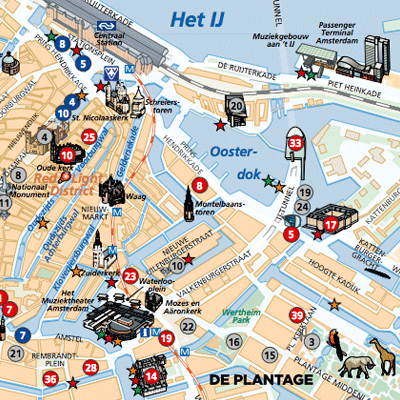
Amsterdam centre map

ov

Amsterdam's city centre with museums, places of interest & attractions and canal cruises & boat services featured on the map.

  adem_tepe_de_here_official_music  2,800 kB

Store Your Luggage Safely in Central Amsterdam

Go and enjoy Amsterdam to the fullest while your belongings are safely stored at Luggage Depot.

Parking Zones and Fees

ov

Detailed map issued by the City of Amsterdam

  adem_tepe_de_here_official_music  27.1 MB

P+R = Park and Ride Locations

ov

Parking in Amsterdam for 1 euro per 24 hours! Read what you should do and how it works.

  adem_tepe_de_here_official_music  1,200 kB

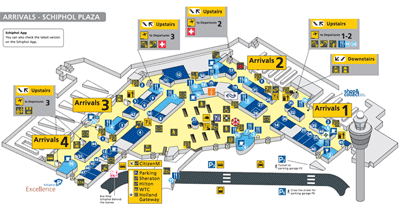
Schiphol Airport Guide Arrivals

ov
  adem_tepe_de_here_official_music  1.6 MB

Schiphol Airport Guide Departures

ov
  adem_tepe_de_here_official_music  1.7 MB

Tourist Information

Be well prepared and know what is on in and around Amsterdam. Call, email or visit the official Amsterdam Tourist Office at Centraal Station.

Map of Vondelpark

ov

A map outlining all venues, art and special trees in the park

  adem_tepe_de_here_official_music  1,262 kB

Lyrically, "De Here" operates on multiple levels. On the surface, it is a call to a loved one, a plea for presence or a lament over absence. However, within the context of Kurdish art, such lyrics often carry a dual meaning, reflecting a deeper yearning for home, peace, or the preservation of a heritage that has faced historical suppression. The repetitive, rhythmic nature of the chorus acts as a grounding force, inviting the listener into a meditative state that transcends language barriers.

The musical structure of "De Here" is characterized by its evocative use of acoustic instrumentation, often featuring the haunting melodies of the tembûr or bağlama paired with subtle percussion. This arrangement creates an intimate atmosphere that allows Tepe’s voice—rich with "hewar" (a traditional Kurdish vocal cry of lament)—to take center stage. His performance is not merely technical; it is an exercise in vulnerability, capturing the specific type of melancholy often found in Kurdish "stran" (songs) that deal with separation and unrequited love.

Ultimately, the official music video and the widespread reception of the track highlight Adem Tepe’s role as a cultural ambassador. By maintaining high production values while staying true to the melodic DNA of his roots, he ensures that Kurdish music remains vibrant and relevant for a global audience. "De Here" is more than just a song; it is a sonic bridge that connects the listener to the enduring spirit and emotional depth of the Kurdish people.