vesti

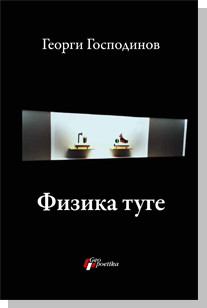
Fizika tuge

Georgi Gospodinov

Prevela s bugarskog Ivana Stoičkov

Godina izdanja: 2013

Format (cm): 20cm

Broj Strana: 344

ISBN: 978-86-6145-143-0

Cena: Rasprodato

Već na prvi pogled jasno je da je pred nama moderan roman. A koliko je još i moderniji na drugi pogled?
Gospodinov bez zazora preispituje granice žanra. To čini tako da nam se čini kao da je ovo jedan od poslednjih pokušaja da se dokaže da roman kao književni rod ima još oblika za izmišljanje, obogaćivanje i pokazivanje. Autor istovremeno lakonski i temeljno preispituje roman kao oblik književnog istraživanja, dovodeći ga u ozbiljnu sumnju, te ga potom, tako negiranog, uspostavlja u jednom novom melanžu. Fizika tuge nije više i samo eksperiment; ona je nova romaneskna vrednost. Istorija književnosti verovatno će ga jednoga dana označiti kao: a) prekretnički roman, b) izdajnički roman, ili v) jedan od poslednjih romana koji bi da obuhvate - sve.
Ovaj pre svega poetičan roman, vrlo tanane duše, priča je o fizici ali i metafizici tuge. Čine ga: montaža, kinematografska struktura, pauze, grafika, simboli, tišina, prividna fragmentarnost, samoća, minotaurska napuštenost, lavirinti, antički mitovi, praznina. To je istorija sveta ispričana pogledom nevažnih događaja, netipičnih stvorenja (od puževa do dinosaura i ljudi). U zbiru svega glavni junak je Ja smo. To ja smo ključ je romana: ono je oscilirajuće klatno između prvog i trećeg lica, jednine i množine. Autorska snaga, koja je u svim pričama i telima ove knjige, mnogo je šira od tzv. Sveznajućeg autora.
Roman - vremenska kapsula. Roman u koji se zaljubljuje.
Ako je originalni i uspešni Prirodni roman G. Gospodinova, preveden na 20 jezika, od kojih je srpski bio prvi u svetu (Geopoetika, 2001), bio postmoderan u najplemenitijem smislu reči, Fizika tuge je roman apokaliptičan u najrevolucionarnijem značenju reči.  By focusing on the universal feeling of waiting

Fratii Peste - Stau La Geam Cu Cartea-n Mana В™«( Oficial Video ) В™« Official

By focusing on the universal feeling of waiting and the quiet dignity of personal reflection, Frații Pește created a track that remains a staple for fans seeking music that speaks to the "soul's burdens". YouTube Music

Frații Pește, featuring artists like and Florin Pește , are known for their ability to blend traditional rhythmic structures with modern pop sensibilities.

For many listeners, "Stau la geam cu cartea-n mână" is more than just a melody; it is a "hit of the 90s" that triggers collective memories of a specific era in Romanian music. The song resonates with the experience of the străinătate (living abroad) or the simple, quiet moments of domestic life where one contemplates their past and future.

The title itself evokes a powerful visual: a person seated by a window, a classic symbol of transition between the private inner world and the public outer world. Holding a book suggests a desire for knowledge or an attempt to distract the mind from heavy thoughts. In the context of Frații Pește’s lyrics, this image often represents a wait—for a loved one, for better times, or for clarity regarding a difficult emotional situation. Musical Style and Emotional Resonance

: The song utilizes minor keys and soulful vocal modulations (doina-inspired) to convey sadness and depth.

The song (Sitting by the window with a book in hand) by the Romanian group Frații Pește (The Pește Brothers) is a poignant piece of musical storytelling that captures the essence of longing and nostalgic reflection. Released through Nelut Peste Oficial , this track stands as a representative example of the emotive power found in the manele and ethno-pop genres from the late 20th and early 21st centuries. The Imagery of Solitude and Reflection

Ostale knjige iz edicije - Svet proze

By focusing on the universal feeling of waiting and the quiet dignity of personal reflection, Frații Pește created a track that remains a staple for fans seeking music that speaks to the "soul's burdens". YouTube Music

Frații Pește, featuring artists like and Florin Pește , are known for their ability to blend traditional rhythmic structures with modern pop sensibilities.

For many listeners, "Stau la geam cu cartea-n mână" is more than just a melody; it is a "hit of the 90s" that triggers collective memories of a specific era in Romanian music. The song resonates with the experience of the străinătate (living abroad) or the simple, quiet moments of domestic life where one contemplates their past and future.

The title itself evokes a powerful visual: a person seated by a window, a classic symbol of transition between the private inner world and the public outer world. Holding a book suggests a desire for knowledge or an attempt to distract the mind from heavy thoughts. In the context of Frații Pește’s lyrics, this image often represents a wait—for a loved one, for better times, or for clarity regarding a difficult emotional situation. Musical Style and Emotional Resonance

: The song utilizes minor keys and soulful vocal modulations (doina-inspired) to convey sadness and depth.

The song (Sitting by the window with a book in hand) by the Romanian group Frații Pește (The Pește Brothers) is a poignant piece of musical storytelling that captures the essence of longing and nostalgic reflection. Released through Nelut Peste Oficial , this track stands as a representative example of the emotive power found in the manele and ethno-pop genres from the late 20th and early 21st centuries. The Imagery of Solitude and Reflection