Ion Dacian-eu Pe Strune Am Cantat (din Opereta Paganini) 90%

: The Romanian translation of the title, which translates literally to "I have played on the strings [of hearts]," shifts the focus slightly from the physical "kissing" of the German original to a more poetic, instrumental metaphor—aligning the singer's voice with Paganini's violin.

: Dacian was known for his "charming" stage presence. In this aria, he balanced the character’s bravado with a distinct Romanian dor (longing), turning a standard operetta showpiece into a vulnerable confession of an artist's isolation. Legacy of the Recording Ion Dacian-Eu pe strune am cantat (din opereta Paganini)

The aria (historically known in German as "Gern hab' ich die Frau'n geküsst" ) is the centerpiece of Franz Lehár's 1925 operetta, Paganini . While originally composed for the legendary tenor Richard Tauber, it became a defining signature for Romanian tenor Ion Dacian , whose interpretation added a layer of soulful, Mediterranean melancholy that resonated deeply with Romanian audiences. The Context of the Aria : The Romanian translation of the title, which

Ion Dacian (1911–1981) was the undisputed "King of Romanian Operetta". His rendition of "Eu pe strune am cântat" is celebrated for several reasons: Legacy of the Recording The aria (historically known

: It is a song of both conquest and profound loneliness. While the lyrics celebrate his history of romance ("I have loved and kissed women"), the underlying subtext—emphasized by Lehár's lush, symphonic scoring—reveals a man who ultimately belongs to no one but his art.

: Dacian possessed a rare lirico-leggero tenor voice that allowed him to navigate the aria's high notes with a "silky" texture rather than the aggressive power of a dramatic tenor.

: The piece is a classic "Tauber-lied," a term coined for the demanding, high-tessitura tenor songs Lehár wrote specifically for Richard Tauber's vocal strengths. Ion Dacian’s Interpretation

Ion Dacian-Eu pe strune am cantat (din opereta Paganini)

> 30 лет на рынке

> 800 тыс. рабочих мест в базе

> 60 собственных разработок

> 2 млн. выданных лицензий


: The Romanian translation of the title, which translates literally to "I have played on the strings [of hearts]," shifts the focus slightly from the physical "kissing" of the German original to a more poetic, instrumental metaphor—aligning the singer's voice with Paganini's violin.

: Dacian was known for his "charming" stage presence. In this aria, he balanced the character’s bravado with a distinct Romanian dor (longing), turning a standard operetta showpiece into a vulnerable confession of an artist's isolation. Legacy of the Recording

The aria (historically known in German as "Gern hab' ich die Frau'n geküsst" ) is the centerpiece of Franz Lehár's 1925 operetta, Paganini . While originally composed for the legendary tenor Richard Tauber, it became a defining signature for Romanian tenor Ion Dacian , whose interpretation added a layer of soulful, Mediterranean melancholy that resonated deeply with Romanian audiences. The Context of the Aria

Ion Dacian (1911–1981) was the undisputed "King of Romanian Operetta". His rendition of "Eu pe strune am cântat" is celebrated for several reasons:

: It is a song of both conquest and profound loneliness. While the lyrics celebrate his history of romance ("I have loved and kissed women"), the underlying subtext—emphasized by Lehár's lush, symphonic scoring—reveals a man who ultimately belongs to no one but his art.

: Dacian possessed a rare lirico-leggero tenor voice that allowed him to navigate the aria's high notes with a "silky" texture rather than the aggressive power of a dramatic tenor.

: The piece is a classic "Tauber-lied," a term coined for the demanding, high-tessitura tenor songs Lehár wrote specifically for Richard Tauber's vocal strengths. Ion Dacian’s Interpretation
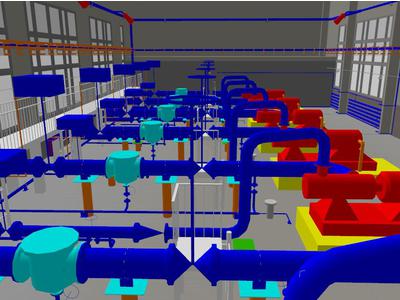
Проекты CSoft для строительства

CSoft – это сотни реализованных комплексных проектов, собственные методики обследования организаций и внедрения конструкторских, технологических и производственных решений, опыт создания стандартов в области документооборота, электронного архива технической документации, САПР и PLM, специализированные решения для заказчиков из самых разных отраслей. Компания долгие годы объединявшая опыт мировых и собственных разработок, на текущий момент взяла курс на создание решений на основе отечественных технологий.

Грамотные импортозамещающие решения для цифровизации производства

Программные решения российского производства аккумулируют лучший мировой опыт и созданы с учетом российских стандартов. Это позволяет максимально эффективно управлять производственным процессом.

TechnologiCS - полноценная система PLM российского производства, обеспечивает непрерывную информационную поддержку ключевых бизнес-процессов.

PoligonSoft - CAE - решение для металлургической отрасли. Профессиональный инструмент для создания и оптимизации литейной технологии.


Новости

Мы активно развиваемся и делимся самыми современными разработками для цифровизации производства. Узнавайте о последних новостях компании, присоединяйтесь к нашим мероприятиям и будьте в курсе.

Группа компаний CSoft предлагает комплексные решения для автоматизации производства.

Наши вакансии на HeadHunter