Fourteen-year-olds experience "Limerence"—an involuntary state of intense infatuation. Because their prefrontal cortex is still developing, their emotional responses are dialed to the max. A breakup isn't just a sad event; in a story, it’s often portrayed as a total social or emotional collapse. 6. Self-Discovery over Longevity
Here are the key features typically found in these relationships and their narrative portrayals: 1. The "Firsts" Phenomenon sexy free teen fourteen
Fourteen is often the age of milestones—the first real date, the first time holding hands, or the first "official" boyfriend/girlfriend title. In stories, these moments are heightened, treated with a life-or-nothing level of importance because the characters have no prior heartbreak to use as a reference point. 2. Digital Connectivity In stories, these moments are heightened, treated with
Modern relationships for fourteen-year-olds are heavily mediated by technology. these moments are heightened
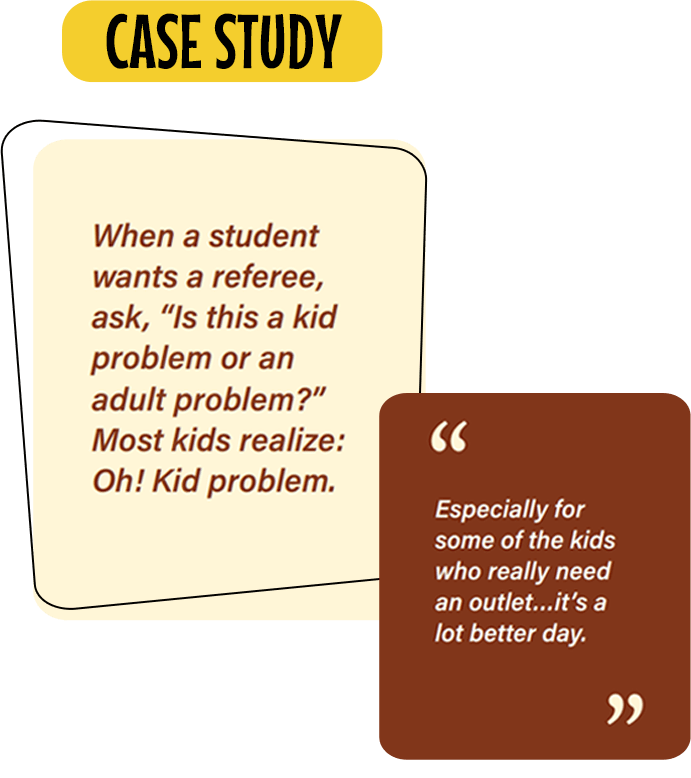
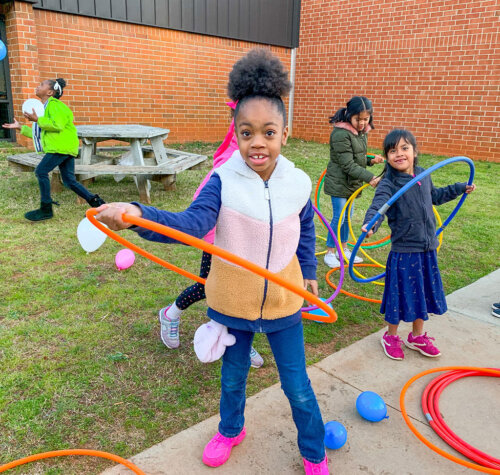
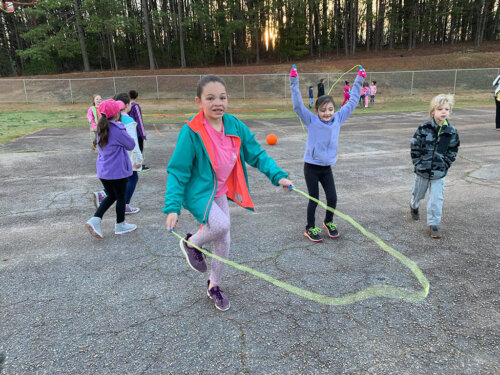
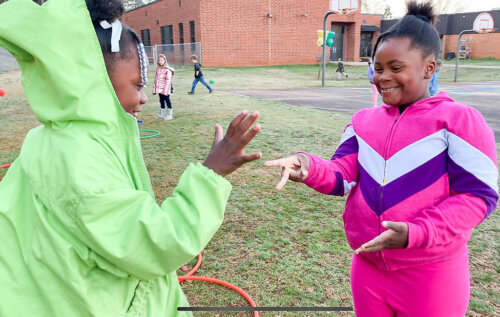
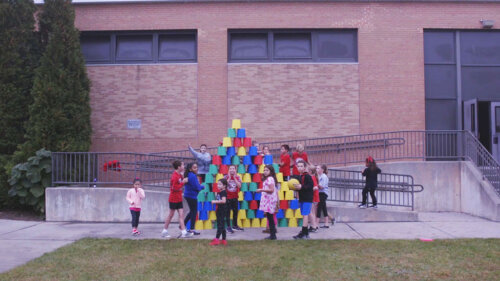
Students at Discovery Ridge Elementary in O’Fallon, Missouri, were tattling and fighting more than they did before COVID and expecting the adults to soothe them. P.E. Teacher Chris Sevier thought free play might help kids become more mature and self regulating. In Play Club students organize their own fun and solve their own conflicts. An adult is present, but only as a “lifeguard.” Chris started a before-school Let Grow Play Club two mornings a week open to all the kids. He had 72 participate, with the K – 2nd graders one morning and the 3rd – 5th graders another.
Play has existed for as long as humans have been on Earth, and it’s not just us that play. Baby animals play…hence hours of videos on the internet of cute panda bears, rhinos, puppies, and almost every animal you can imagine. That play is critical to learning the skills to be a grown-up. So when did being a kids become a full-time job, with little time for “real” play? Our co-founder and play expert, Peter Gray, explains in this video produced by Stand Together.